
The Inbox Has a New Gatekeeper
by Catherine Parsons | Thought Leadership
For years, marketers have focused on one goal: getting into the inbox. Build the right lists. Follow best practices. Protect sender reputation. Optimize deliverability. If your message landed in the Primary tab, the job was largely done. That assumption no longer holds.
Today, there’s a new layer between brands and consumers. According to research from Validity, 55% of customers are making decisions about marketing emails based on AI summaries, without reading the full message. AI assistants are increasingly filtering, prioritizing, summarizing and, in many cases, deciding what deserves attention before a person ever sees it.
The inbox hasn’t disappeared, but the path to it has changed. And that changes the role of email marketing. Today, the brands that succeed won’t be the ones that just arrive – they’ll be the ones that are actively chosen.
If you’ve built an engaged audience, this shift could work in your favour. If you haven’t, the gap between you and your competitors will only widen.
From deliverability to desirability
Historically, email strategy was built around access: how do we get our message in front of people?
The emerging challenge is different: how do we become the message people want to see?
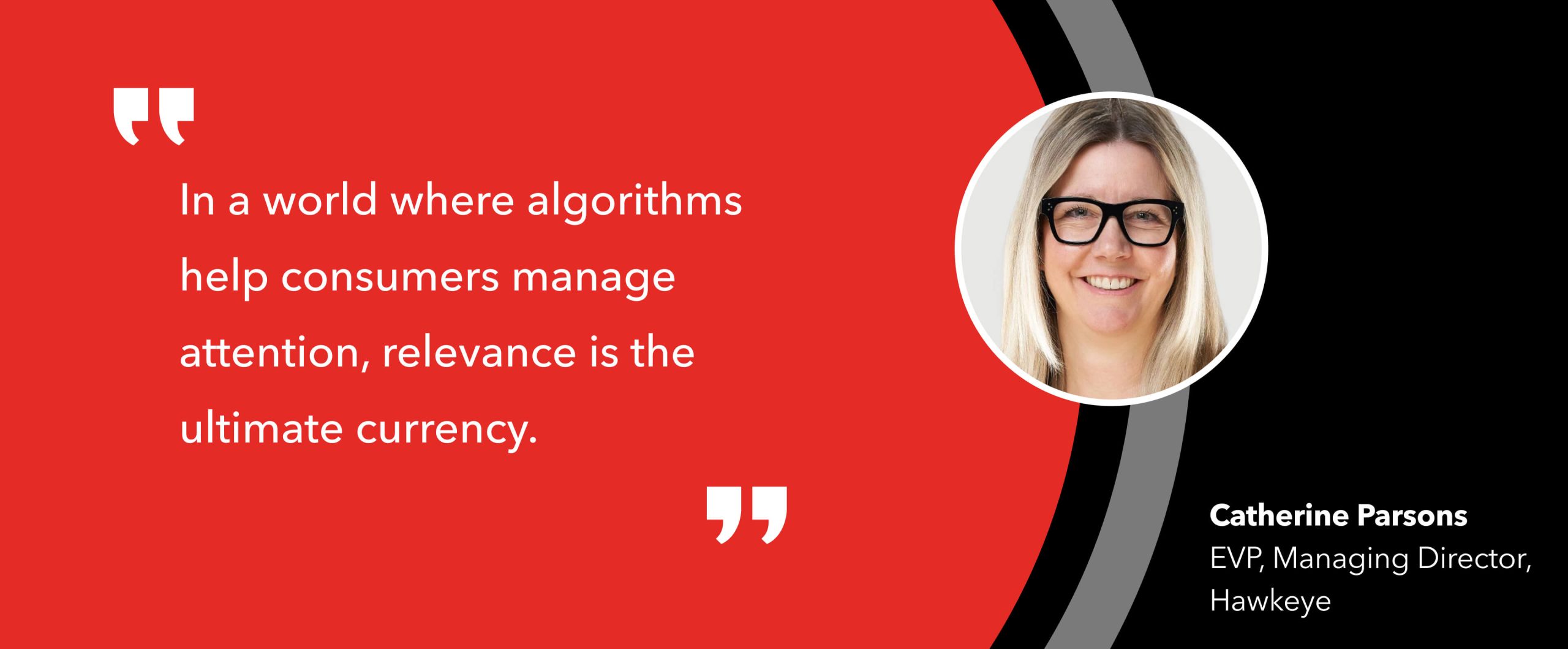
In a world where algorithms help consumers manage attention, relevance is the ultimate currency. Every email is competing not only against other brands, but against a system designed to eliminate unnecessary noise.
The question is no longer, “Will this get delivered?”
It’s, “Would someone care if they missed it?”
What changes for brands?
The shift is creative and strategic. Brands will need to focus less on producing more messages and more on creating communications that earn attention.
That means:
- Prioritizing value over volume.
- Building recognizable points of view, not just recognizable visual identities.
- Creating content that feels useful, distinctive and human.
- Treating email less as a distribution channel and more as a relationship channel.
Consumers don’t develop loyalty to inbox placement. They develop loyalty to brands that consistently provide relevance, utility and perspective.
Human signals matter more
As AI becomes better at identifying generic content, the differentiators become increasingly human. Distinctive voice. Original thinking. Genuine expertise. Clear purpose. The most effective email programs won’t necessarily be the ones sending the most messages. They’ll be the ones delivering something that feels worth opening, worth reading and worth returning to. In other words, success will depend less on mastering the mechanics of email and more on strengthening the relationship behind it.
The opportunity ahead
None of this means email is losing its value. If anything, its value may increase. Email remains one of the few channels where brands can build direct, ongoing relationships with consumers. What’s changing is the standard for earning attention within that relationship.
As AI reshapes how information is surfaced and consumed, the winning brands will be those that create communications people actively want more of.
The future of email won’t be defined by who gets into the inbox. It will be defined by who gets chosen once they’re there.
Want to build an email program that earns attention in an AI-powered inbox? Let’s talk.
